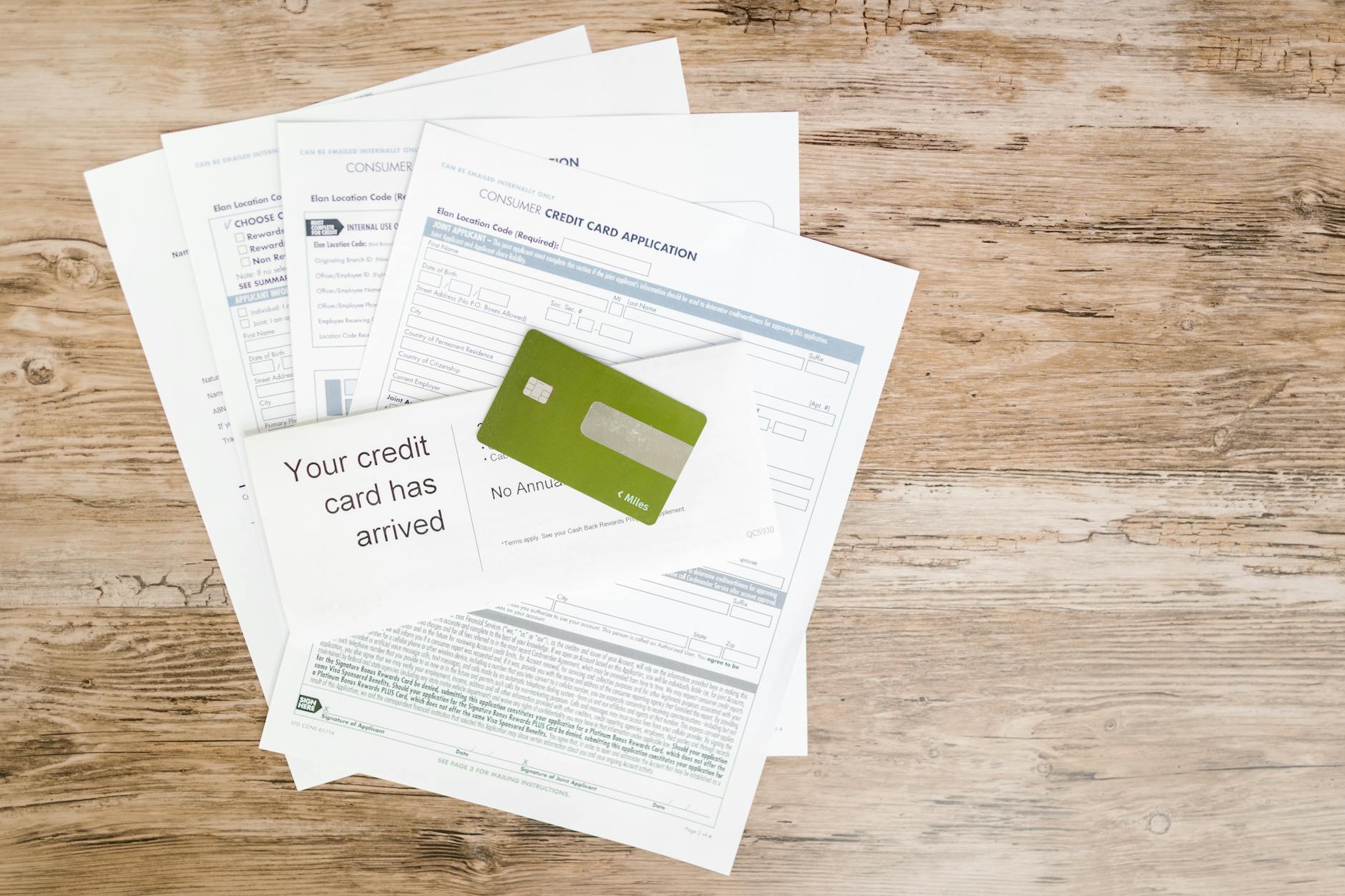
Life insurance good credit discount is a pricing advantage many applicants overlook. Your credit history plays a real role in what you pay for coverage. Insurance companies use credit-based insurance scores to assess risk. These scores differ from your regular FICO score. However, they draw from the same credit report data.
A strong credit profile can mean lower premiums. In most cases, applicants with good credit save 10% to 25% on their annual life insurance costs. That translates to hundreds of dollars over the life of a policy. For example, a healthy 35-year-old male could save $150 to $400 per year simply by maintaining good credit. Understanding how the life insurance good credit discount works helps you lock in the best possible rate.
How the Life Insurance Good Credit Discount Works
Insurance companies don’t use your regular credit score. They use a credit-based insurance score instead. This score predicts how likely you are to file a claim. It draws from your payment history, outstanding debt, credit length, and credit mix. Payment history carries the most weight at roughly 40%. Outstanding debt accounts for about 30%. The NAIC confirms these scores differ from traditional lending scores.
About 56% of life insurance carriers check credit during underwriting. Companies like Prudential, MetLife, and State Farm factor credit into their pricing models. A life insurance good credit discount doesn’t require a perfect score. Typically, a score above 700 qualifies you for preferred rate classes. Scores above 750 may earn you the best “preferred plus” rates available.
To qualify for a life insurance good credit discount, you need clean credit fundamentals. No recent bankruptcies or collections. Low credit utilization below 30%. At least several years of credit history. As a result, applicants who manage credit responsibly get rewarded with lower premiums.
How Much Can You Save with a Life Insurance Good Credit Discount?
The savings from a life insurance good credit discount vary by age, health, and carrier. However, the differences between credit tiers are substantial. Applicants with excellent credit often qualify for preferred plus rates. Those with poor credit may be assigned standard or substandard rate classes. The gap between these classes can be significant.
| Credit Range | Rate Class | Annual Premium (30-Year, $500K) | Savings vs. Poor Credit |
|---|---|---|---|
| 750+ | Preferred Plus | $420–$520/year | Up to 25% savings |
| 700–749 | Preferred | $500–$620/year | Up to 15% savings |
| 650–699 | Standard Plus | $580–$700/year | Up to 8% savings |
| 600–649 | Standard | $650–$760/year | Baseline |
| Below 600 | Substandard | $750–$950/year | Paying 15–25% more |
For example, a 35-year-old nonsmoking male could pay $420 per year with excellent credit. The same person with poor credit might pay $750 or more. That difference adds up to nearly $10,000 over a 30-year term policy. The life insurance good credit discount rewards financial responsibility directly.
Which Insurance Companies Offer a Life Insurance Good Credit Discount?
Most major carriers factor credit into their underwriting. Prudential uses credit-based insurance scores as part of its accelerated underwriting program. MetLife incorporates credit data when determining rate classes. State Farm also reviews credit history during the application process. Each company weighs credit differently alongside health and lifestyle factors.
Northwestern Mutual and New York Life focus more heavily on health-based underwriting. However, they still review financial stability indicators. MassMutual considers credit as one factor in its comprehensive underwriting review. In most cases, the life insurance good credit discount is built into the rate class you receive rather than listed as a separate line item.
Some carriers use scores from FICO, TransUnion, or LexisNexis. Others develop proprietary scoring models. Regardless of the scoring method, maintaining good credit gives you access to a life insurance good credit discount across nearly all providers.
How to Get the Best Life Insurance Good Credit Discount Rate
Start by checking your credit report before applying. Visit AnnualCreditReport.com for free reports from all three bureaus. Fix any errors you find. Dispute inaccurate late payments or collections. Even small corrections can improve your insurance score. Typically, allow 30 to 60 days for disputes to resolve before applying.
Pay down outstanding balances to lower your credit utilization ratio. Keep utilization below 30% on all accounts. Avoid opening new credit accounts in the months before applying. Each hard inquiry can temporarily lower your score. As a result, timing your application strategically helps maximize your life insurance good credit discount.
🛡 Get Free Life Insurance Guides
Free · No spam · Unsubscribe anytime
Compare quotes from at least three carriers. Each company weighs credit differently. One insurer may offer you preferred rates while another assigns standard. Working with an independent agent gives you access to multiple carriers at once. Bring recent pay stubs, medical records, and your credit report to streamline the process. The life insurance good credit discount is easiest to capture when you apply with clean credit and complete documentation.
Frequently Asked Questions
Does applying for life insurance hurt my credit score?
No. Life insurance credit checks are soft inquiries. They do not appear on your credit report. As a result, shopping for a life insurance good credit discount will not lower your credit score. You can compare multiple quotes without any negative impact.
Can I get life insurance with bad credit?
Yes. Bad credit does not disqualify you from coverage. However, you may pay higher premiums without a life insurance good credit discount. For example, applicants with scores below 600 typically receive standard or substandard rate classes. Improving your credit before applying can save you thousands over the policy term.
Do all states allow insurers to use credit scores for life insurance?
Most states allow it. California, Massachusetts, and Maryland restrict credit-based scoring for auto and home insurance. However, life insurance credit use faces fewer state-level restrictions. In most cases, your life insurance good credit discount eligibility depends on the carrier’s underwriting guidelines rather than state law. Check with your state’s department of insurance for specific rules.
Compare Life Insurance Options
Ready to see what coverage fits your needs and budget? Comparing quotes from multiple carriers is the most effective way to find the right policy at the best rate for your situation.
(paid link)
Official Sources & Resources
For verified information on life insurance regulations and consumer protection:
- NAIC (National Association of Insurance Commissioners): naic.org
- Insurance Information Institute: iii.org
- ACLI (American Council of Life Insurers): acli.com
- LIMRA (Life Insurance Research): limra.com
- Social Security Administration (Survivor Benefits): ssa.gov/benefits/survivors
Content last reviewed April 2026. If you notice any outdated information, please contact us.
Related Guides
- Browse All Life Insurance Guides
- More in This Category
- State-by-State Life Insurance Regulations
- Term Life Insurance by State
- Whole Life Insurance by State
- Life Insurance by Demographic
- Life Insurance with Health Conditions
- Nebraska Life Insurance Guide
- California Life Insurance Guide
- Delaware Term Life Insurance Guide